

Discernment Counseling for Couples: What It Is, How It Works, and Who It’s For
If you’ve searched for “discernment counseling,” there’s a good chance you’re living inside a very specific kind of relationship limbo:…

If you’ve searched for “discernment counseling,” there’s a good chance you’re living inside a very specific kind of relationship limbo:…

Interpersonal Therapy for Perinatal Depression: What It Is, Why It Works, and How to Get Trained If you’re searching for interpersonal…
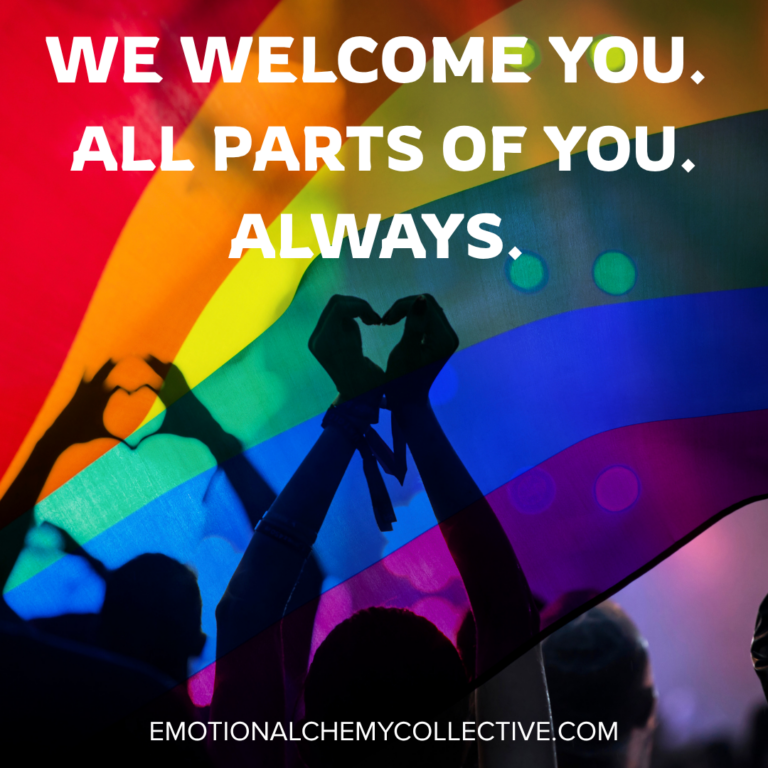
At Emotional Alchemy Collective, we hear the phrase “safe space” everywhere. It’s printed on stickers, tucked into mission statements, mentioned in intake paperwork. But we believe the phrase deserves more than a sticker. Offering LGBTQIA+ Affirming Therapy is important to us. It deserves to be earned, session after session, through the choices we make in how we listen, how we advocate, and how we show up when it matters most.
This post is about what that commitment looks like in practice — and why, for the LGBTQIA+ community in particular, it has never mattered more.
Pregnancy and the postpartum period are often described as times of joy, wonder, and new beginnings. And they can be…

If you’re a teenager or young adult today, you don’t need us to tell you that the world feels heavy. Between the constant pressure of school, the noise of social media, and the internal weight of anxiety or depression, it can feel like you’re constantly “plugged in” but totally disconnected from yourself.

Therapy is often framed as a private, apolitical space—one person, one nervous system, one story at a time. And while therapy is deeply personal, it is never separate from the world we live in.
At Emotion Alchemy Collective, we believe this truth is essential: therapy is inherently political. Not because we tell clients what to think or how to vote, but because suffering does not occur in a vacuum—and healing shouldn’t pretend that it does